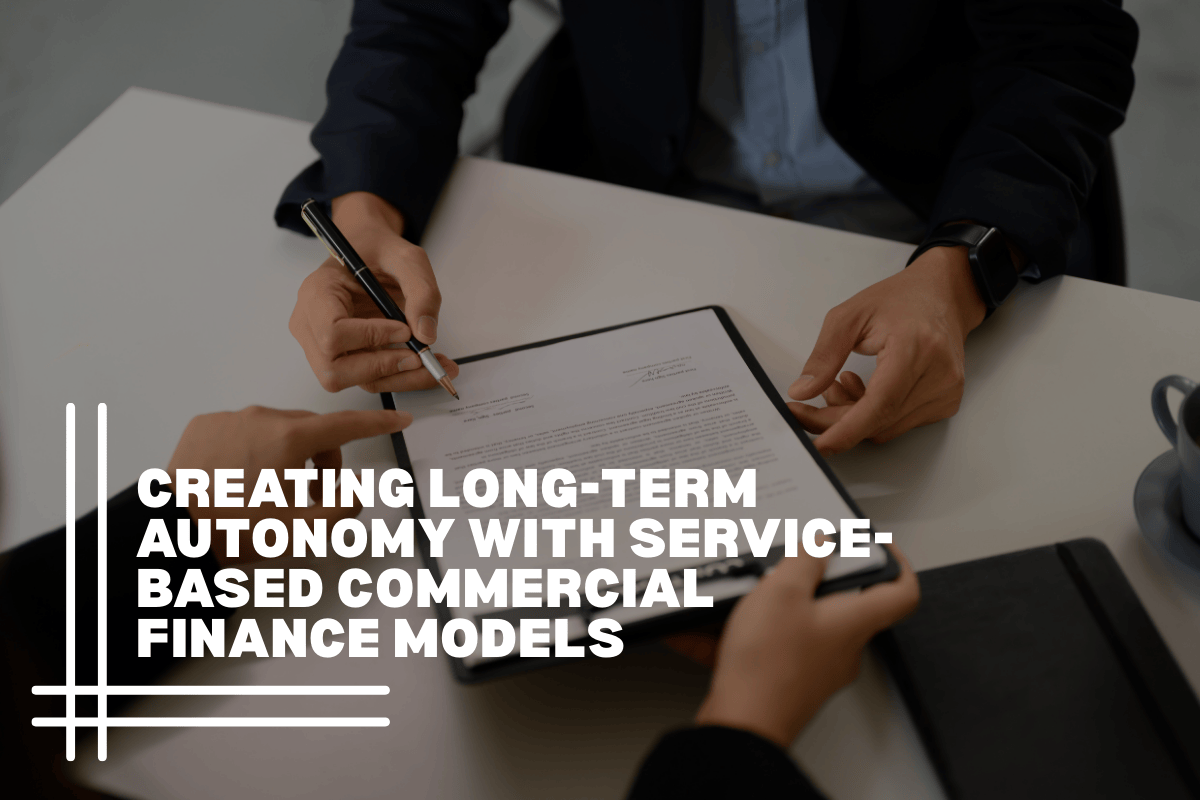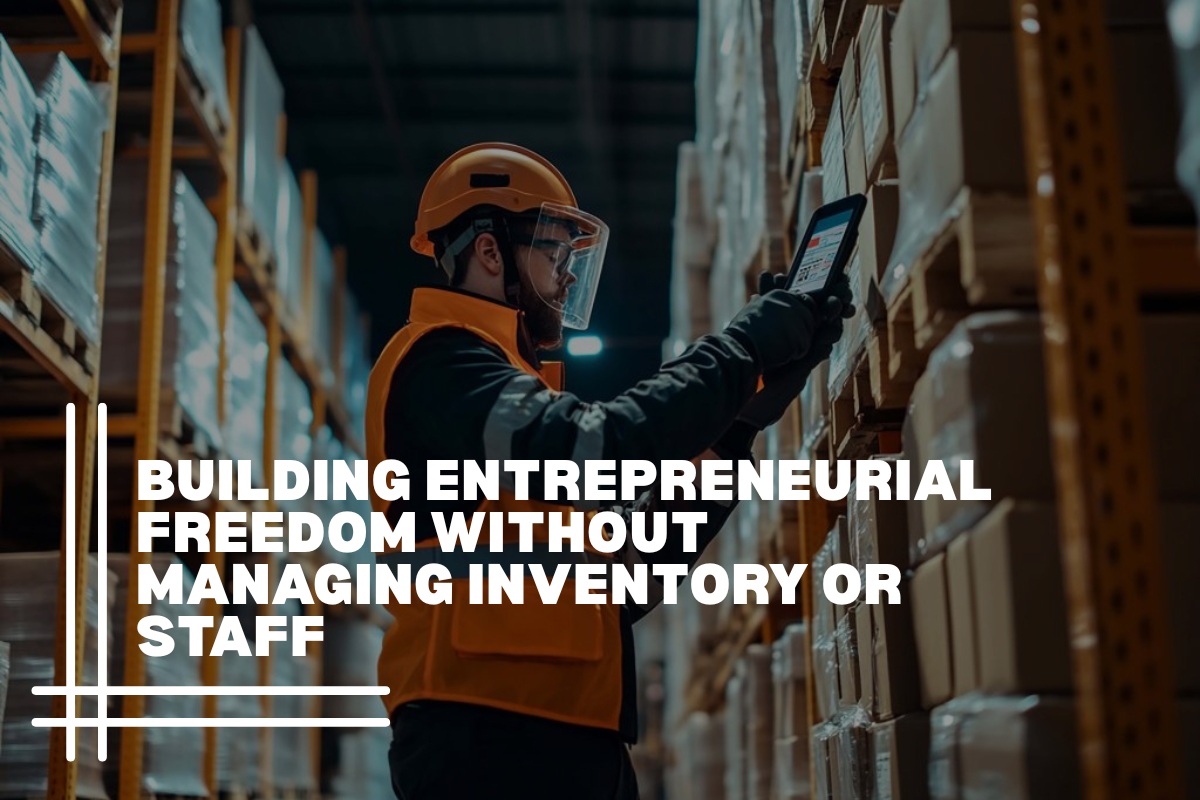
Career stability has traditionally been defined by long-term employment with a single organization, predictable promotions, and fixed income progression. However, economic shifts, automation, and changing workforce expectations are challenging this model. In response, many professionals are redefining stability through self-directed commercial finance opportunities—careers built on autonomy, adaptability, and value creation rather than job titles alone.
The Changing Meaning of Career Stability
Stability is no longer synonymous with permanence. Layoffs, restructuring, and market volatility have shown that even traditional roles can be uncertain. As a result, professionals are increasingly prioritizing control over their income streams, skill relevance, and career direction.
Self-directed commercial finance roles—such as independent brokers, advisors, originators, and consultants—offer an alternative form of stability rooted in ownership rather than dependency.
What Self-Directed Commercial Finance Looks Like
Self-directed commercial finance careers allow individuals to operate independently or semi-independently while connecting businesses with funding solutions. These professionals often work across products such as working capital, asset-based lending, equipment finance, and alternative funding.
Key characteristics include:
- Control over client selection and specialization
- Flexible working structures
- Income tied to performance and relationships rather than fixed salary

This autonomy enables professionals to shape careers aligned with their strengths and values.
Stability Through Skill Ownership
One of the strongest sources of stability in self-directed finance is skill ownership. Commercial finance professionals develop transferable skills such as credit analysis, deal structuring, risk assessment, negotiation, and relationship management.
These skills:
- Remain valuable across economic cycles
- Apply to multiple industries and funding models
- Reduce reliance on any single employer or product

Stability comes from being consistently useful in the market.
Diversification of Income and Opportunity
Unlike traditional roles with a single paycheck, self-directed finance careers allow income diversification. Professionals can work with multiple lenders, serve different sectors, and adapt offerings as market conditions change.
Diversification reduces risk by:
- Avoiding dependence on one employer or revenue source
- Allowing pivots when specific products tighten or expand
- Creating recurring income through long-term client relationships
This flexibility strengthens resilience during economic uncertainty.
Building Long-Term Value Through Relationships
In commercial finance, trust and relationships are long-term assets. Self-directed professionals build networks of clients, lenders, and partners that compound in value over time.
As relationships deepen:
- Deal flow becomes more consistent
- Client referrals increase
- Professional reputation strengthens
This relational capital often provides more stability than formal job security.
Adapting Faster Than Traditional Career Paths
Independent finance professionals can respond quickly to market changes—adopting new products, targeting emerging sectors, or adjusting pricing and structures.
This adaptability:
- Protects relevance as regulations and technologies evolve
- Allows early entry into underserved market segments
- Keeps income aligned with demand rather than hierarchy
Agility becomes a form of career insurance.
Balancing Risk With Control
Self-directed careers involve risk, but they also offer control. Professionals decide how much to scale, when to specialize, and how to manage workload and exposure.
With thoughtful planning—such as building financial buffers, ongoing education, and diversified partnerships—risk becomes manageable rather than destabilizing.
Redefining Success on Personal Terms
Self-directed commercial finance allows professionals to define success beyond titles and tenure. Success may mean flexibility, income potential, impact, or independence.
This redefinition aligns career stability with personal priorities rather than external structures.
FAQs
Is a self-directed commercial finance career stable?
Yes, when built on strong skills, diversified income, and long-term relationships rather than a single employer.
Do I need prior finance experience to enter this field?
While helpful, many skills can be developed through training, mentorship, and hands-on experience.
How does income stability compare to salaried roles?
Income may fluctuate initially but often becomes more resilient over time through diversification and repeat clients.
What are the biggest risks of self-directed finance careers?
Early-stage uncertainty and inconsistent deal flow, which can be managed through planning and education.
Why are professionals shifting toward self-directed models now?
Because autonomy, adaptability, and control increasingly offer more reliable long-term security than traditional career paths.