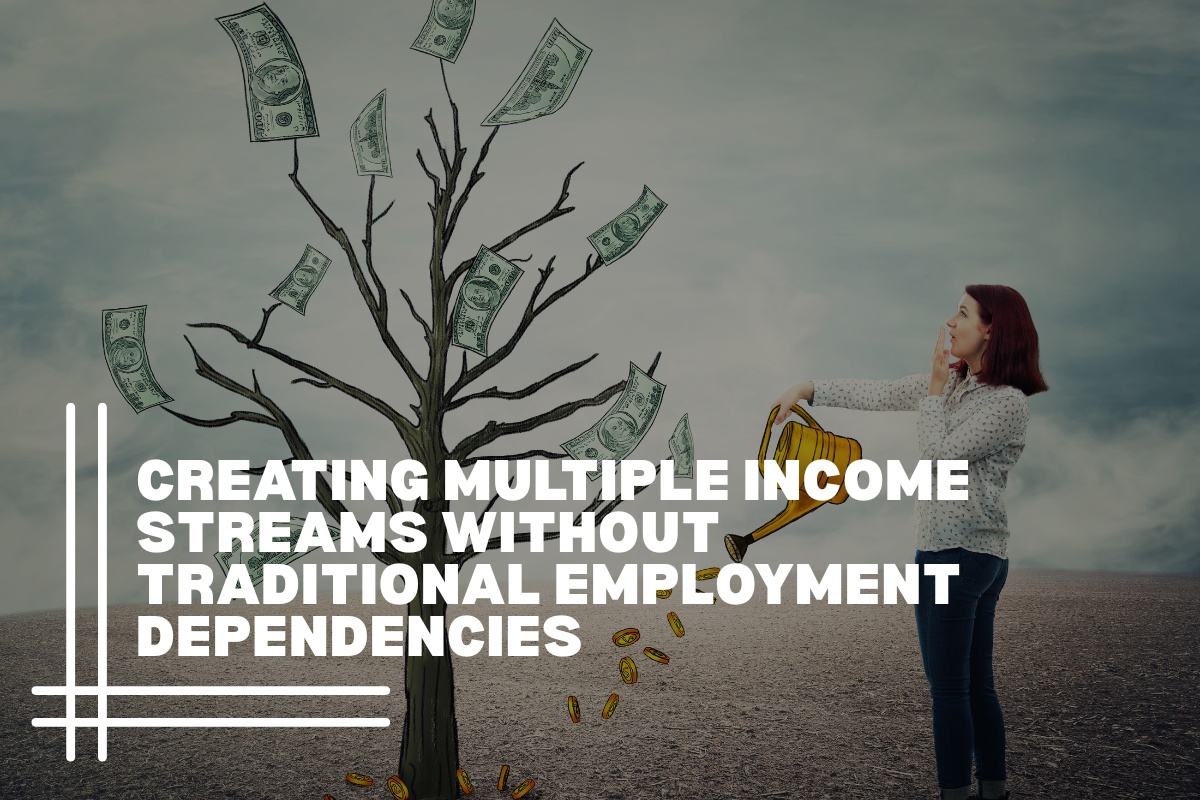
Relying on a single paycheck has become increasingly risky in a world shaped by economic uncertainty, automation, and shifting job markets. Many people are now exploring ways to create multiple income streams that offer greater flexibility, security, and control over their financial future. Building income beyond traditional employment does not require quitting your job overnight.
Instead, it involves strategically developing additional sources of revenue that align with your skills, interests, and lifestyle. With thoughtful planning, anyone can begin reducing dependence on a single employer while strengthening long-term financial resilience.
Understanding What Multiple Income Streams Really Mean

Multiple income streams simply refer to earning money from more than one source. This can include side businesses, freelance work, investments, digital products, rental income, or monetized skills.
The goal is not necessarily to replace traditional work immediately but to diversify income so that financial stability does not depend on a single role or organization. This diversification reduces risk and creates more options over time.
Starting With Skills You Already Have
One of the most practical ways to build additional income is to begin with your existing strengths. Many people overlook how valuable their everyday skills can be outside of traditional employment.

Writing, design, tutoring, organization, problem-solving, coaching, bookkeeping, language skills, technical support, and creative abilities can all be monetized through freelance platforms, local networks, or personal referrals. Using what you already know reduces the learning curve and makes it easier to start earning sooner.
Leveraging Digital Platforms for Flexible Income
The digital economy has created unprecedented opportunities for independent income. Online platforms allow individuals to offer services, sell products, and reach global audiences without large upfront investments.
Freelancing platforms, online marketplaces, course platforms, and content-sharing networks make it possible to generate income through consulting, digital products, coaching, creative work, or education. These platforms reduce traditional barriers such as geography, formal credentials, and gatekeepers.
Building Income Through Small Business Ventures

Many people create additional income by developing small, scalable business ideas. These ventures do not need to start large to be effective.
Examples include home-based food businesses, craft sales, mobile services, cleaning businesses, virtual assistance, event services, or niche consulting. Starting small allows individuals to test ideas, refine offerings, and grow organically without significant financial risk.
Exploring Passive and Semi-Passive Income Options
Not all income streams require constant active effort. Some can be designed to generate income with less ongoing time investment after initial setup.
Examples include rental income, dividend-paying investments, digital downloads, print-on-demand products, online courses, affiliate marketing, or licensing creative work. While these options still require effort and strategy, they can gradually reduce reliance on trading time directly for money.
Using Side Projects as Learning Opportunities
Creating new income streams is not only about earning money; it is also about building experience. Side projects often teach valuable skills such as marketing, customer communication, financial management, and strategic thinking.
These experiences can enhance confidence, expand professional opportunities, and even open doors to entirely new career paths. Treating side income efforts as both financial and personal development investments increases their long-term value.
Managing Time Realistically to Avoid Burnout
One of the biggest challenges in building multiple income streams is balancing effort with energy. Many people try to do too much too quickly, leading to exhaustion and frustration.
Sustainable progress comes from realistic pacing. Setting small, achievable goals, dedicating limited but consistent time, and allowing growth to be gradual helps ensure that additional income enhances life rather than overwhelming it.
Reducing Financial Pressure Through Gradual Transition
Creating income outside of traditional employment does not require dramatic life changes all at once. In fact, gradual transitions are often more successful.
Maintaining a primary job while slowly developing secondary income streams provides stability and reduces stress. As additional income becomes more reliable, individuals gain greater freedom to adjust their work arrangements over time.
Building Financial Confidence and Autonomy
Multiple income streams offer more than financial gain; they build psychological security. Knowing that you are not entirely dependent on one source of income can reduce anxiety and increase confidence in decision-making.
This sense of autonomy empowers individuals to negotiate better working conditions, pursue meaningful opportunities, and make choices based on values rather than fear. Financial independence grows from diversified effort, not sudden risk-taking.
Adapting Income Strategies as Life Evolves
Income streams are not fixed. What works in one season of life may not fit another. Flexibility is one of the greatest advantages of independent income building.
Some streams may be short-term, others long-term. Some may be paused, while others grow. Viewing income creation as an evolving process rather than a rigid plan allows individuals to adapt their strategies to changing circumstances.
Seeing Multiple Income Streams as a Long-Term Strategy
True financial resilience comes from consistency, not quick wins. Building sustainable income beyond traditional employment takes time, experimentation, and patience.
Rather than chasing instant success, focusing on steady progress, learning from setbacks, and refining strategies over time creates stronger outcomes. The goal is not overnight transformation but gradual empowerment.
Frequently Asked Questions
Do I need a large amount of money to start building extra income streams?
No. Many income streams, such as freelancing, tutoring, digital services, and content creation, can be started with little or no upfront investment.
Can I build multiple income streams while working full-time?
Yes. Many people begin by dedicating small pockets of time outside of work. Consistency matters more than large time blocks.
Are passive income streams truly effortless?
No income stream is completely effortless. Most require upfront work, planning, and occasional maintenance, even if they become less time-intensive over time.
How long does it take to see meaningful results?
It varies. Some streams may generate small income quickly, while others take months or longer to build. Long-term consistency is key.
Is freelancing the only option for additional income?
Not at all. Options include investing, small businesses, digital products, rentals, creative monetization, teaching, consulting, and more.
What is the biggest mistake people make when trying to build extra income?
Trying to do too much at once or expecting immediate results. Sustainable growth comes from focus, patience, and realistic expectations.